

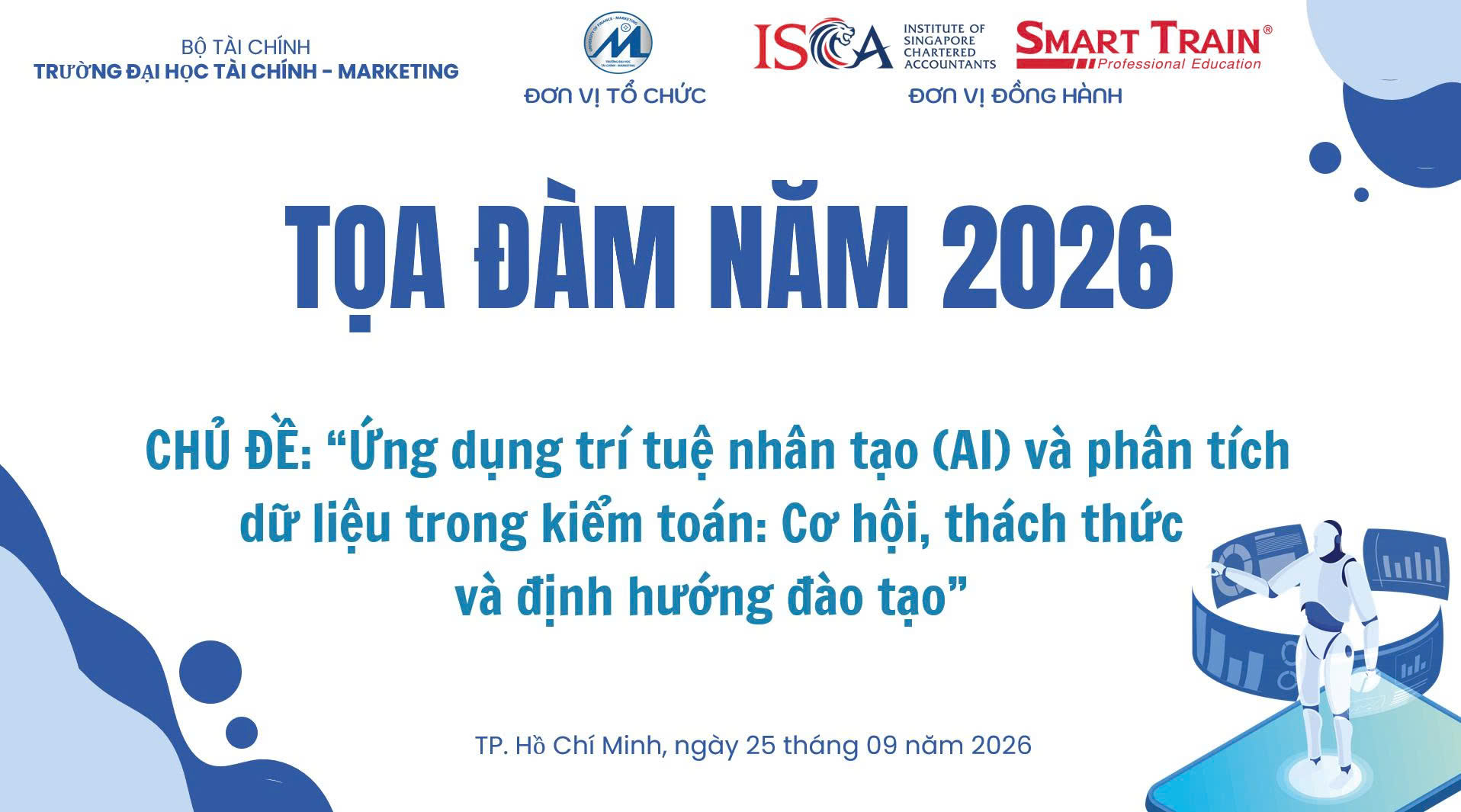
Seminar: The Application of Artificial Intelligence (AI) and Data Analytics in Auditing: Opportunities, Challenges, and Implications for Education
As digital transformation continues to reshape the accounting and auditing professions, artificial intelligence (AI) and data analytics are becoming increasingly important in professional practice. From automating routine tasks and processing large volumes of data to assessing risks and supporting decision-making, these technologies are opening up new possibilities for the profession while creating new demands for technological skills, professional knowledge, and adaptability.
The Faculty of Accounting and Auditing at the University of Finance – Marketing held a seminar on September 25, 2026, entitled "The Application of Artificial Intelligence (AI) and Data Analytics in Auditing: Opportunities, Challenges, and Implications for Education". The event brought together academic staff and industry professionals to explore emerging technological trends in accounting and auditing and discuss how accounting and auditing education can evolve to meet the changing needs of the profession.
The seminar featured two guest speakers: Mr. Vo Minh Duong, MBA, MFin, CFA, CMA, Director of Corporate Transformation & Technology and Lecturer at Smart Train Academy; and Mr. Phu Nguyen, Country Manager of ISCA Vietnam.
Representing the Faculty of Accounting and Auditing were Dr. Tran Hong Van, Dean of the Faculty; Dr. Duong Hoang Ngoc Khue, Vice Dean of the Faculty; and faculty members.
The seminar provided an opportunity for academic staff and industry experts to exchange perspectives on the opportunities and challenges presented by AI and data analytics in accounting and auditing. Drawing on their professional experience, the guest speakers shared insights into emerging technological trends, practical applications, and the changing skills and competencies expected of accounting and auditing professionals in an increasingly digital workplace.
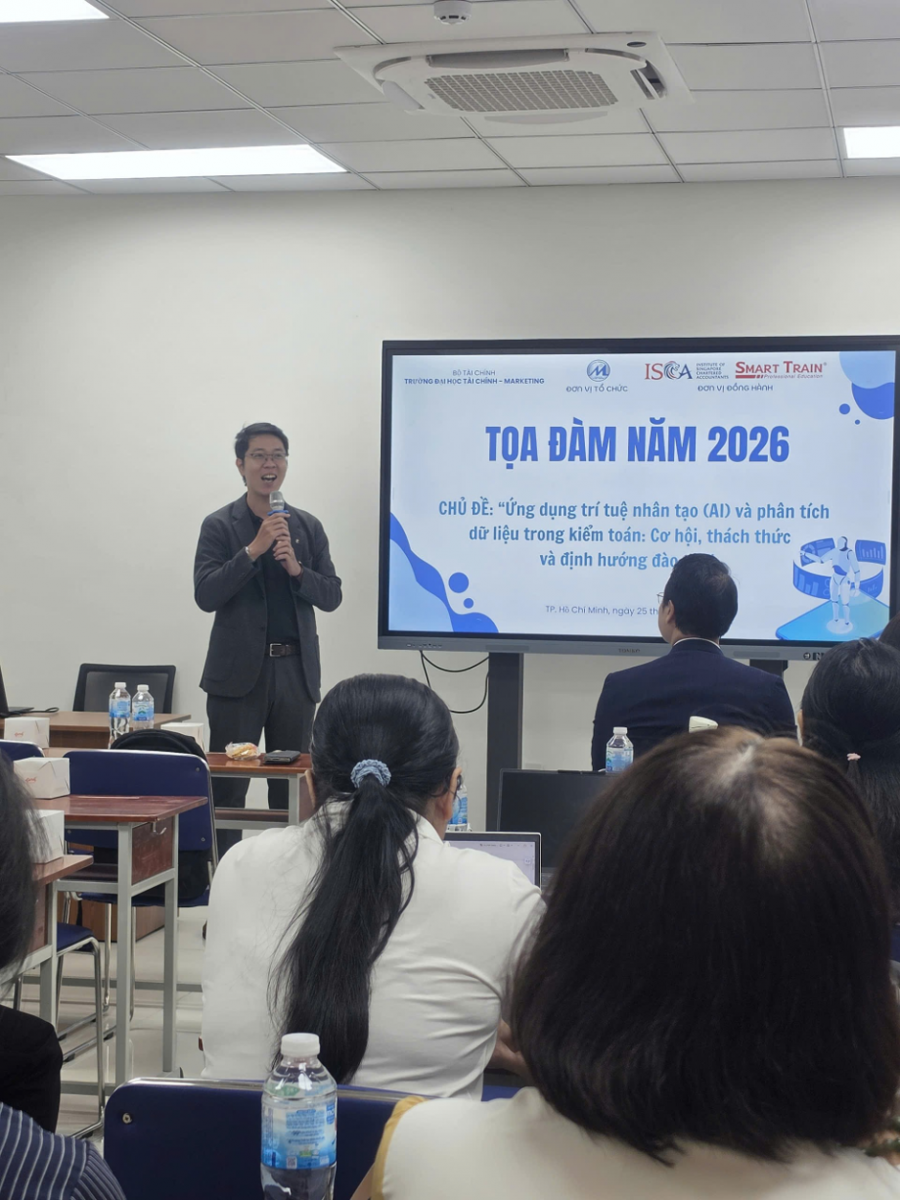 Mr. Phu Nguyen, Country Manager of ISCA Vietnam, shared his insights at the seminar.
A key focus of the discussion was how AI and data analytics are transforming audit practices. These technologies can help auditors work more efficiently with large datasets, analyze financial information, identify potential risks, and improve the effectiveness of audit procedures. At the same time, their growing use highlights the need for auditors to develop new technological capabilities and stronger data analytical skills while maintaining the professional judgment essential to the auditing process.
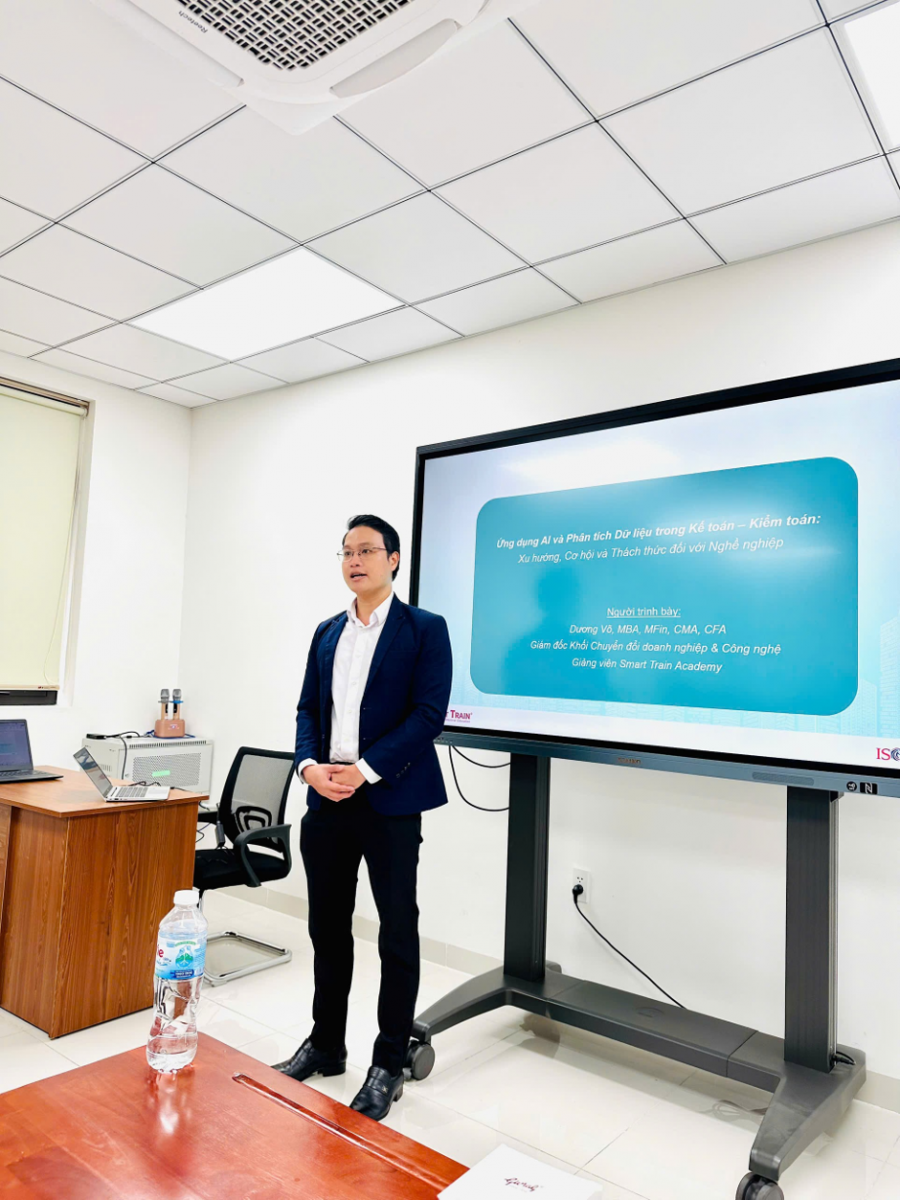
Mr. Vo Minh Duong, MBA, MFin, CFA, CMA, Director of Corporate Transformation & Technology and Lecturer at Smart Train Academy, shared practical insights and experiences in applying AI in business.
Beyond their implications for professional practice, these technological developments also raise important questions about how future accounting and auditing professionals should be educated. The discussion emphasized the need to equip students with AI and data analytics skills alongside a solid foundation in accounting and auditing, analytical thinking, and problem-solving abilities. Bringing these competencies together can help students prepare for the evolving demands of the profession and apply emerging technologies effectively in real-world settings.
For the Faculty of Accounting and Auditing, the seminar offered an opportunity to gain valuable insights from industry experts and professional organizations while reflecting on the future direction of accounting and auditing education. The perspectives shared during the event will inform the Faculty's ongoing efforts to review and enhance its curricula, with particular attention to integrating technological knowledge and practical skills into teaching and learning. These efforts aim to equip students with the professional expertise, data literacy, and adaptability needed to thrive in a rapidly changing digital environment.
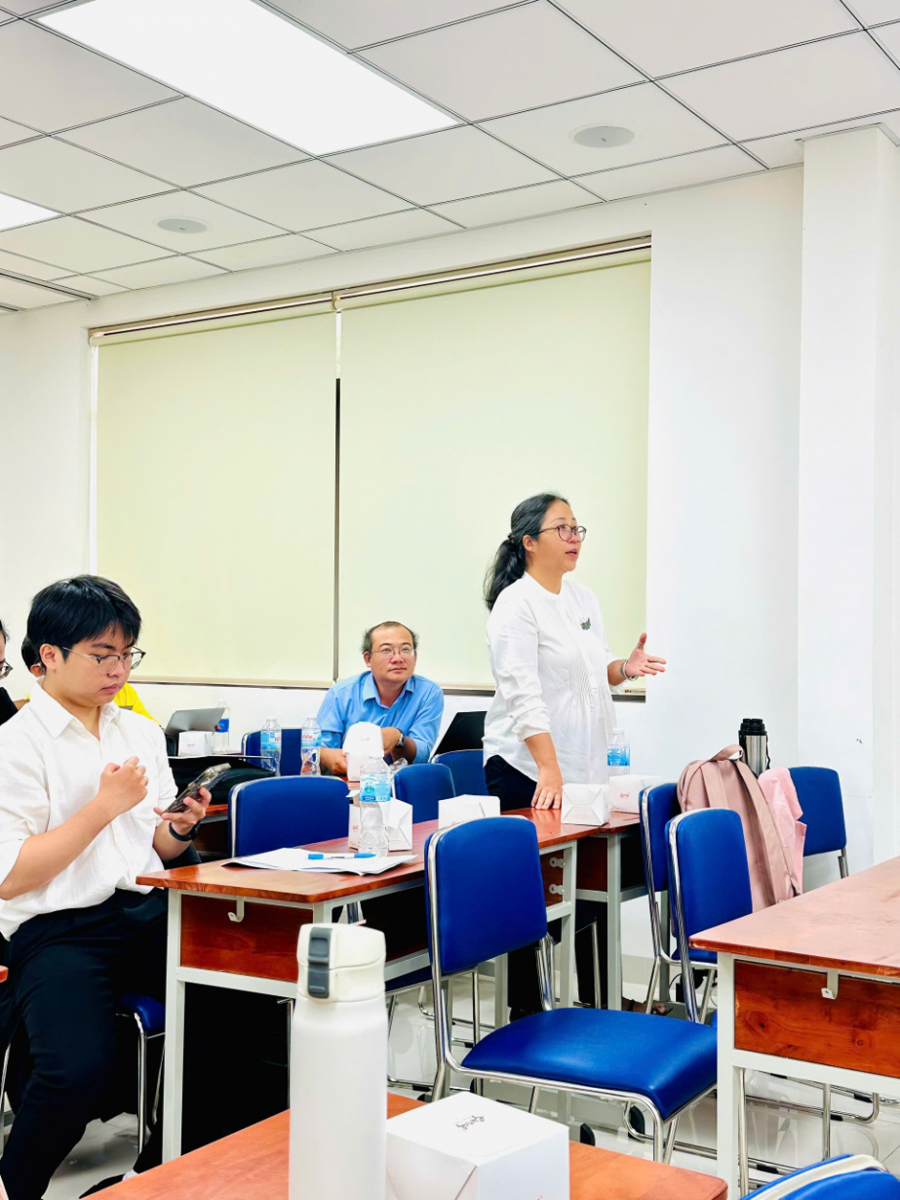
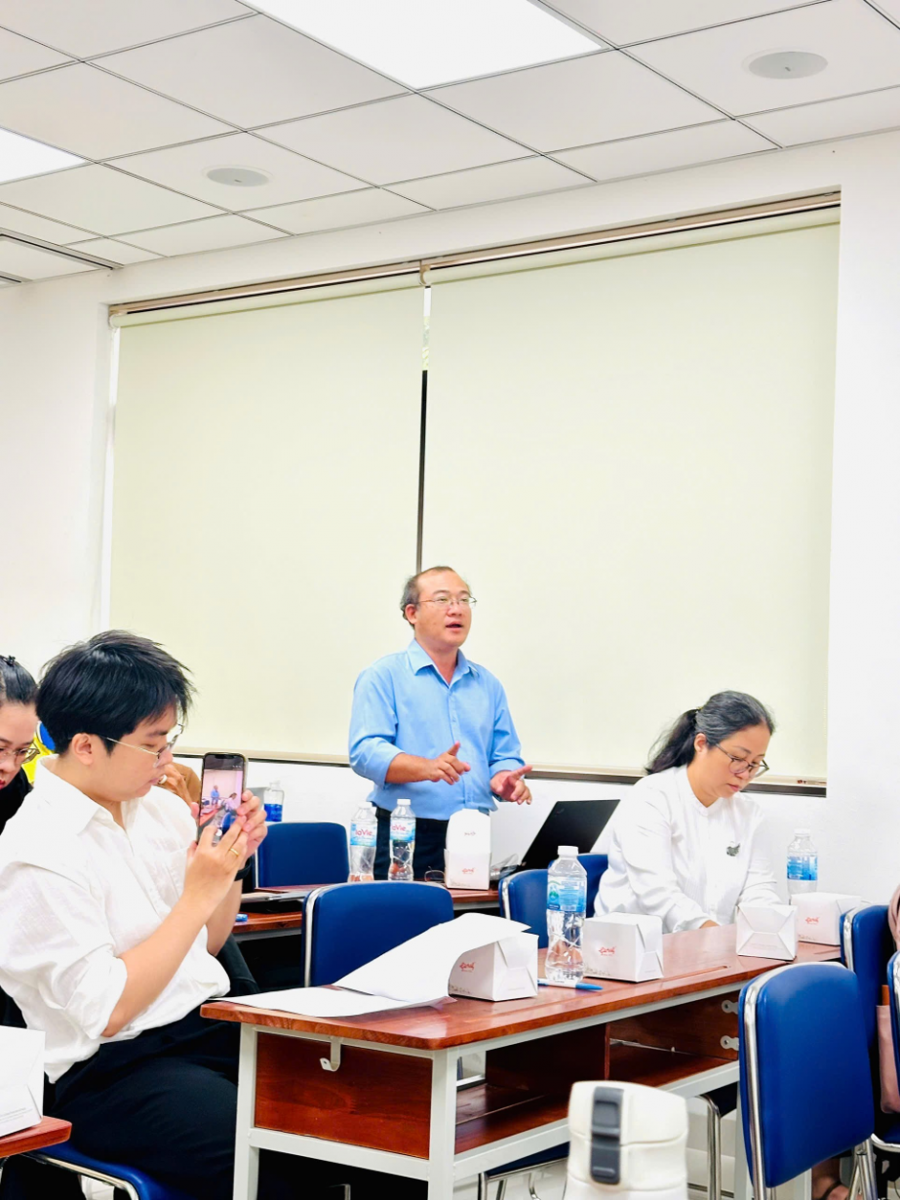
Faculty members exchanged views with the guest speakers on AI ethics and reliability.
The seminar also provided an opportunity to strengthen ties between the Faculty and professional organizations, industry experts, and businesses, laying the groundwork for future collaboration in education and research. By bringing together academic and professional perspectives, the event contributed to the Faculty's ongoing efforts to keep its academic programs relevant to industry needs and prepare accounting and auditing graduates for the opportunities and challenges of the digital era.
The following are some highlights from the seminar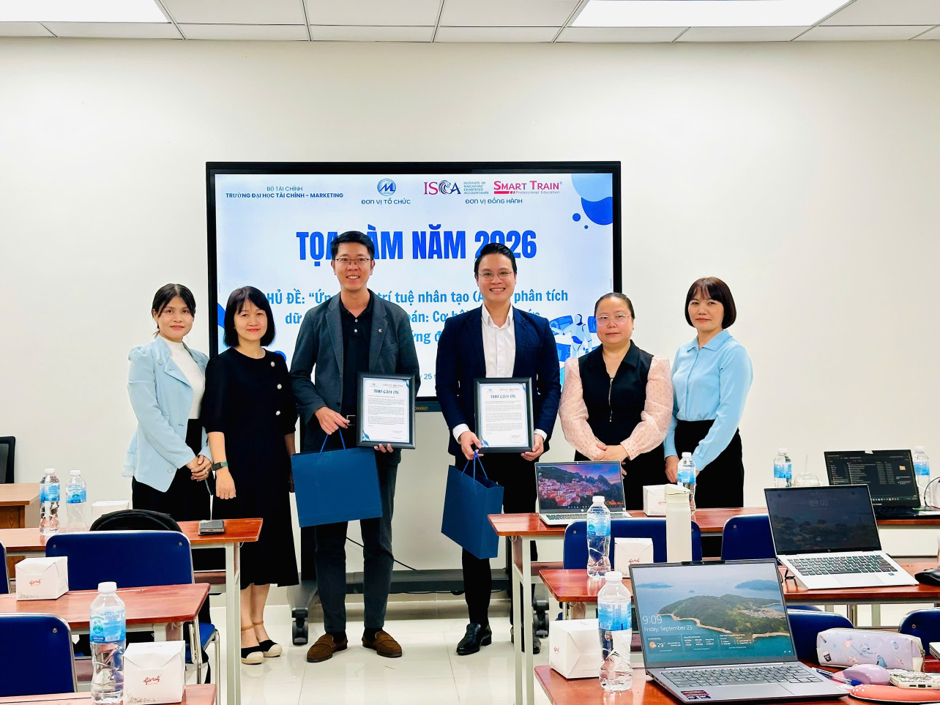
Faculty leaders presenting commemorative gifts to the guest speakers.
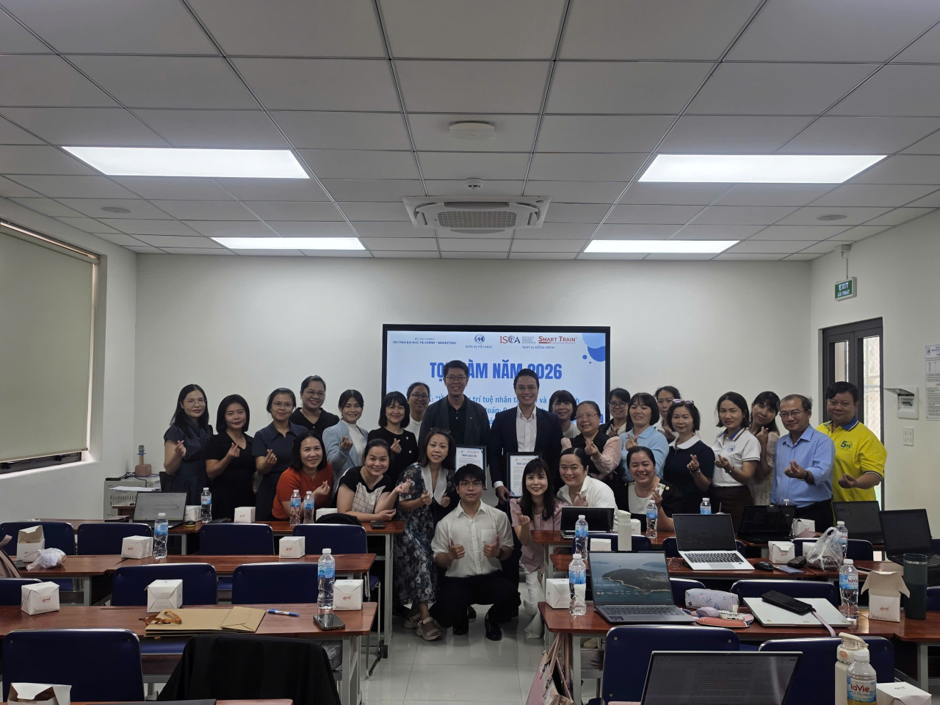
Faculty members and guest speakers at the seminar.